
Expert Lawn Care Tips for Your Greenville Home

Maintaining a lush, green lawn in Greenville can be a rewarding endeavor, but it requires knowledge and effort. Whether you are a seasoned gardener or a novice, understanding the specific needs of your lawn can make all the difference. This guide will provide you with expert tips to help you achieve the lawn of your dreams.

Understanding Your Lawn
Soil Health
The foundation of a healthy lawn starts with the soil. Testing your soil is crucial to determine its pH and nutrient levels. You can purchase a soil test kit from a local garden center or send a sample to a lab for analysis.
Ideal pH Level: Most grasses thrive in a pH range of 6.0 to 7.0. If your soil is too acidic or alkaline, you may need to amend it with lime or sulfur.
Nutrient Levels: Key nutrients include nitrogen, phosphorus, and potassium. Based on your soil test results, you can choose the right fertilizer to enrich your soil.
Grass Types
Choosing the right grass type for your Greenville home is essential. The climate in Greenville is characterized by hot summers and mild winters, making it suitable for warm-season grasses. Here are some popular options:
Bermudagrass: Known for its durability and drought resistance, this grass is perfect for sunny areas.
Zoysiagrass: This grass type is tolerant of heat and foot traffic, making it ideal for lawns that see a lot of activity.
Fescue: A cool-season grass that can thrive in shaded areas, fescue is a great option for lawns with trees.
Lawn Care Practices
Mowing
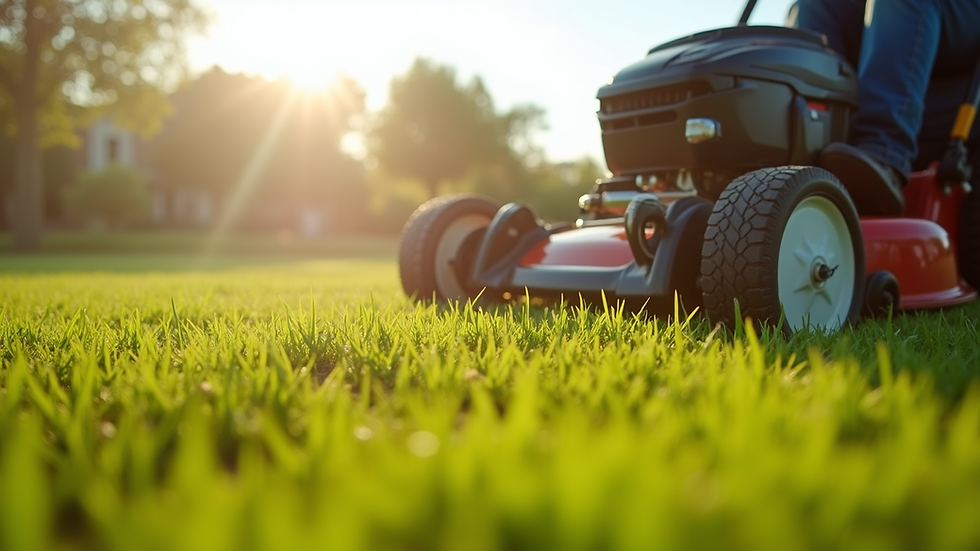
Regular mowing is vital for maintaining a healthy lawn. Here are some tips to keep in mind:
Mow High: Set your mower blade to a height of 3 to 4 inches. Taller grass promotes deeper roots and helps retain moisture.
Mow When Dry: Avoid mowing wet grass, as it can lead to uneven cuts and clumping.
Keep Blades Sharp: Dull blades tear grass rather than cut it cleanly, which can lead to disease.
Watering
Proper watering is crucial, especially during the hot summer months. Here’s how to do it effectively:
Deep and Infrequent: Water your lawn deeply but less frequently. Aim for about 1 to 1.5 inches of water per week, including rainfall.
Early Morning Watering: Watering in the early morning reduces evaporation and fungal diseases.
Check Soil Moisture: Use a soil moisture meter or simply dig a small hole to check if the soil is moist before watering.
Fertilization
Fertilizing your lawn provides essential nutrients for growth. Here’s a simple fertilization schedule:
Spring: Apply a nitrogen-rich fertilizer to promote growth as the grass comes out of dormancy.
Summer: Use a slow-release fertilizer to maintain health during the heat.
Fall: Apply a balanced fertilizer to prepare your lawn for winter.
Pest and Weed Control
Identifying Common Pests
Pests can wreak havoc on your lawn if not managed properly. Here are some common pests to watch for:
Grubs: These larvae feed on grass roots. Look for brown patches and pull back the grass to check for grubs.
Chinch Bugs: These small insects suck the sap from grass blades, causing yellowing and dying patches.
Weed Management
Weeds compete with your grass for nutrients and water. Here are some strategies to keep them at bay:
Pre-emergent Herbicides: Apply these in early spring to prevent weed seeds from germinating.
Manual Removal: For small infestations, hand-pulling can be effective. Make sure to remove the entire root.
Mulching: Use mulch in garden beds to suppress weed growth and retain moisture.
Seasonal Lawn Care
Spring Care
As winter fades, your lawn will need some attention:
Aeration: Aerate your lawn to relieve compaction and improve water and nutrient absorption.
Overseeding: If your lawn has bare patches, overseed with a suitable grass type to encourage thick growth.
Summer Care
During the hot months, focus on maintaining moisture and health:
Adjust Mowing Height: Raise your mower blade to help grass retain moisture.
Monitor for Pests: Keep an eye out for pests and treat them promptly.
Fall Care
As temperatures cool, prepare your lawn for winter:
Fertilize: Apply a fall fertilizer to strengthen roots.
Clean Up Leaves: Regularly rake leaves to prevent them from smothering your grass.
Winter Care
While your lawn may be dormant, it still needs some care:
Limit Traffic: Avoid walking on frozen grass to prevent damage.
Plan for Spring: Use this time to plan any changes or improvements for the upcoming season.
Conclusion
Achieving a beautiful lawn in Greenville is a combination of understanding your soil, choosing the right grass, and implementing effective care practices. By following these expert tips, you can create a vibrant outdoor space that enhances your home’s curb appeal. Remember, a healthy lawn is a reflection of your dedication and care. Start implementing these strategies today, and watch your lawn thrive!


Comments